
Welcome to Maasai Mara National Reserve
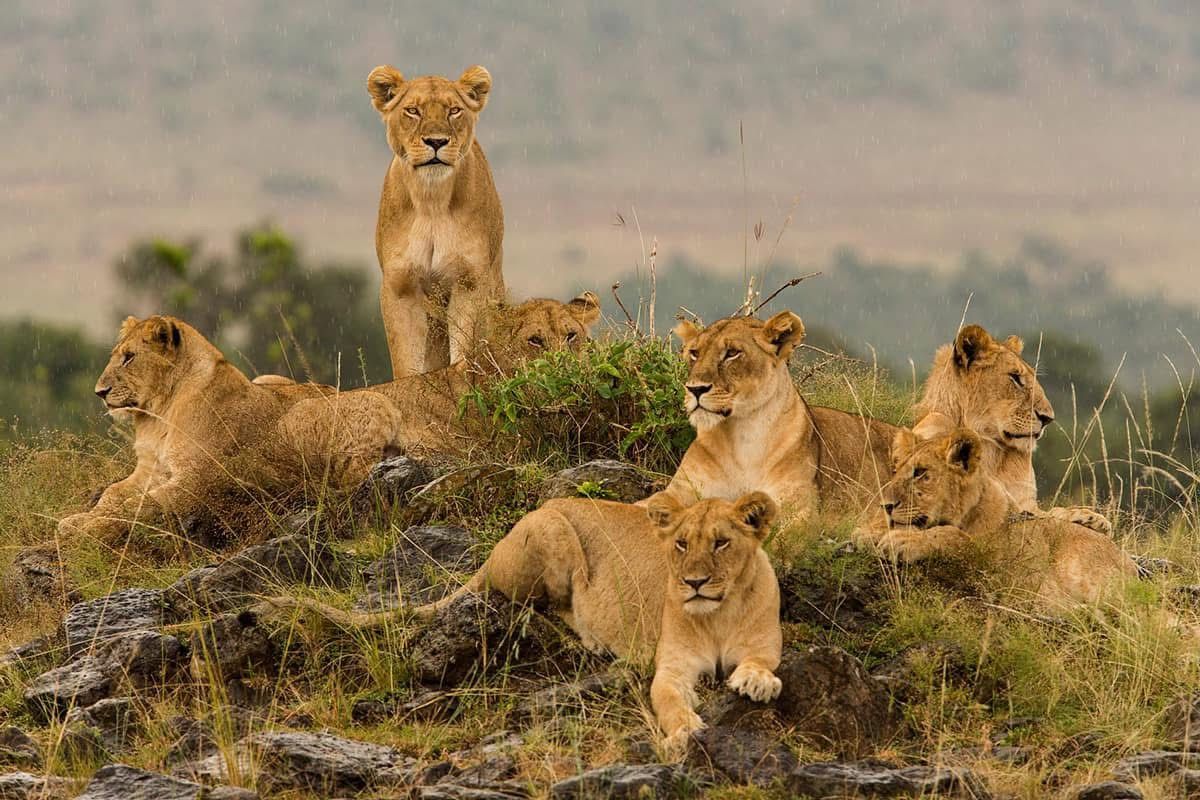
The Maasai Mara National Reserve locally known as The Mara, is one of Africa’s premier wildlife conservation areas. Located in southwestern Kenya along the Tanzanian border, it spans approximately 1,510 square kilometers (580 square miles). It is globally renowned for its exceptional populations of big cats and as the site of the Great Migration.
Wildlife and Landscapes
The reserve is part of the larger Mara-Serengeti ecosystem and is famous for the "Big Five": lion, leopard, elephant, African buffalo, and black rhino.
- The Big Cats: It is considered one of the best places in East Africa to see lions, cheetahs, and leopards.
- Diversity: The Mara hosts over 95 species of mammals and more than 570 recorded species of birds, including the lilac-breasted roller, Kenya's national bird.
- Terrain: The landscape consists of grassy plains, rolling hills, and iconic flat-topped acacia trees, intersected by the Mara and Talek rivers.
The Great Migration (2026)
In 2026, the Great Migration—one of the largest overland movements of animals on Earth—is expected to peak in the Mara between August 20 and September 5.
- The Spectacle: Over 1.5 million wildebeest, hundreds of thousands of zebras, and Thompson's gazelles arrive from the Serengeti in search of fresh grazing.
- River Crossings: Dramatic crossings of the crocodile-infested Mara River typically occur from late July to August, and again on the return south in late October or early November.
Visitor Information for 2026
The reserve is open daily from 6:00 AM to 6:00 PM (though hours may vary slightly at specific gates like Sekenani).
- Best Time to Visit:
- Dry Season (June–October): Best for general wildlife viewing as animals gather at waterholes.
- Lion Season (January–March): Ideal for spotting big cats when the grass is shorter.
- Green Season (April–May): Lush landscapes but some roads can be difficult to navigate due to heavy rain.
- Entry Fees: As of 2026, non-resident park fees are $100 USD during the low season (January to June) and $200 USD during the peak season (July to December).
- Getting There: It is roughly a 5–6 hour drive or a 45-minute flight from Nairobi.
Conservation & The Maasai People
The reserve is managed by the Narok County Government and is surrounded by private conservancies. These conservancies are owned by local Maasai landowners who lease their land to safari operators, a model that supports both community livelihoods and wildlife protection. Visitors can often visit Maasai villages (enkangs) to experience traditional customs and culture.